In an age where technology and environmental consciousness are converging, your home can be more than just a living space—it can be a smart, sustainable powerhouse. Building a smart, energy-efficient home isn’t about expensive gadgets; it’s about a strategic, integrated approach that uses technology to conserve resources, reduce your utility bills, and minimize your environmental footprint.
This guide will walk you through the key pillars of a smart, energy-efficient home, showing you how to build a system that works for you, saves you money, and helps the planet.
Pillar 1: Smart Climate Control (The Biggest Savings)
Heating and cooling are the single largest energy users in most homes, accounting for nearly half of your energy bill. A smart thermostat is the most effective and a great first step toward a more efficient home.
How it Works: Unlike a traditional programmable thermostat, a smart thermostat learns your family’s routines and habits. It uses motion sensors to detect when you’re home or away and automatically adjusts the temperature to save energy. You can also control it remotely from your smartphone, ensuring you never waste money heating or cooling an empty house.
Recommended Product:
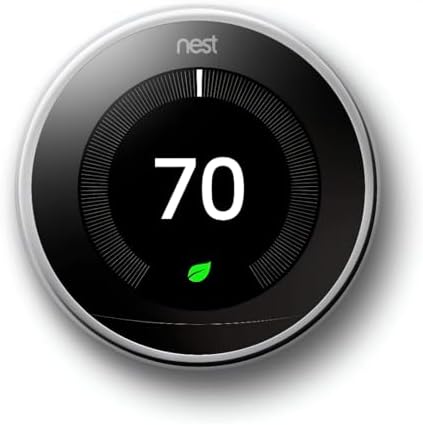
- Google Nest Learning Thermostat: This AI-powered thermostat learns your preferences within a week and creates a personalized schedule. It’s a top-tier choice for effortless, automated savings.

Pillar 2: Intelligent Lighting and Power Management
Traditional lighting is a major energy drain. Smart lighting, combined with smart power management, puts you in full control of every electrical outlet and light fixture.
How it Works:
- Smart Bulbs & Switches: Smart bulbs are LEDs that can be controlled from an app, allowing you to dim lights, change colors, and set schedules. Smart switches offer the same control for any fixture, including your ceiling lights.
- Motion and Occupancy Sensors: These sensors can be integrated with your lights, so they only turn on when a room is occupied and automatically shut off when everyone has left.
- Smart Plugs: These affordable devices turn any appliance into a “smart” one. You can program them to turn off devices that drain “vampire energy” even when they’re not in use.
Recommended Products:
- Kasa Smart Plugs: These are an excellent and affordable starting point. Simply plug them in and control lights, fans, and appliances from your phone. [Referencing Product: Kasa Smart Plugs]
- Philips Hue Smart Light Bulbs: Known for their high quality and seamless integration, these bulbs offer a full spectrum of color and brightness control. [Referencing Product: Philips Hue Smart Light Bulbs]
Pillar 3: Comprehensive Energy Monitoring
You can’t manage what you don’t measure. An energy monitoring system provides real-time data on your home’s electricity usage, revealing exactly where your energy is going.
How it Works: An energy monitor is installed in your home’s electrical panel. It tracks power consumption down to the circuit level, allowing you to see how much energy your refrigerator, HVAC system, or even individual outlets are using. The companion app will alert you to high-usage events and identify “energy vampires,” empowering you to make smarter choices.
Recommended Product:
- Emporia Vue Smart Home Energy Monitor: This popular monitor provides detailed, real-time data that helps you pinpoint energy waste and make informed decisions about your consumption. [Referencing Product: Emporia Vue Smart Home Energy Monitor]
Pillar 4: Smart Appliances and Integrated Systems
For a truly smart, energy-efficient home, you can extend the automation to your major appliances.
How it Works: Many new appliances, from washing machines to refrigerators, now come with smart features. They can be programmed to run during off-peak hours when electricity is cheaper, or send you alerts about maintenance and energy usage. By connecting all your devices to a central hub, like an Amazon Echo or Google Nest, you can control everything with a single app or voice command.
Recommended Product:
- Amazon Echo Dot: This smart speaker acts as a central hub, allowing you to control compatible devices with your voice. It’s a great way to tie your smart home together. [Referencing Product: Amazon Echo Dot]
Building Your Smart Home: A Step-by-Step Approach
You don’t need to do it all at once. Start with the areas that will give you the biggest return on investment:
- Start with a Smart Thermostat: This single device can lead to significant savings.
- Add Smart Plugs: They are a low-cost way to gain control over many of your home’s electronics.
- Install an Energy Monitor: Understand your energy usage to find the next best area for improvement.
- Automate Your Lighting: Add smart bulbs or switches to high-traffic areas.
- Expand with Smart Appliances and Hubs: As you get more comfortable, add devices like smart speakers and larger appliances to build a fully integrated, energy-efficient system.
Building a smart, energy-efficient home is a journey. With a little planning and the right technology, you can create a living space that is not only more convenient but also a major force for sustainability.